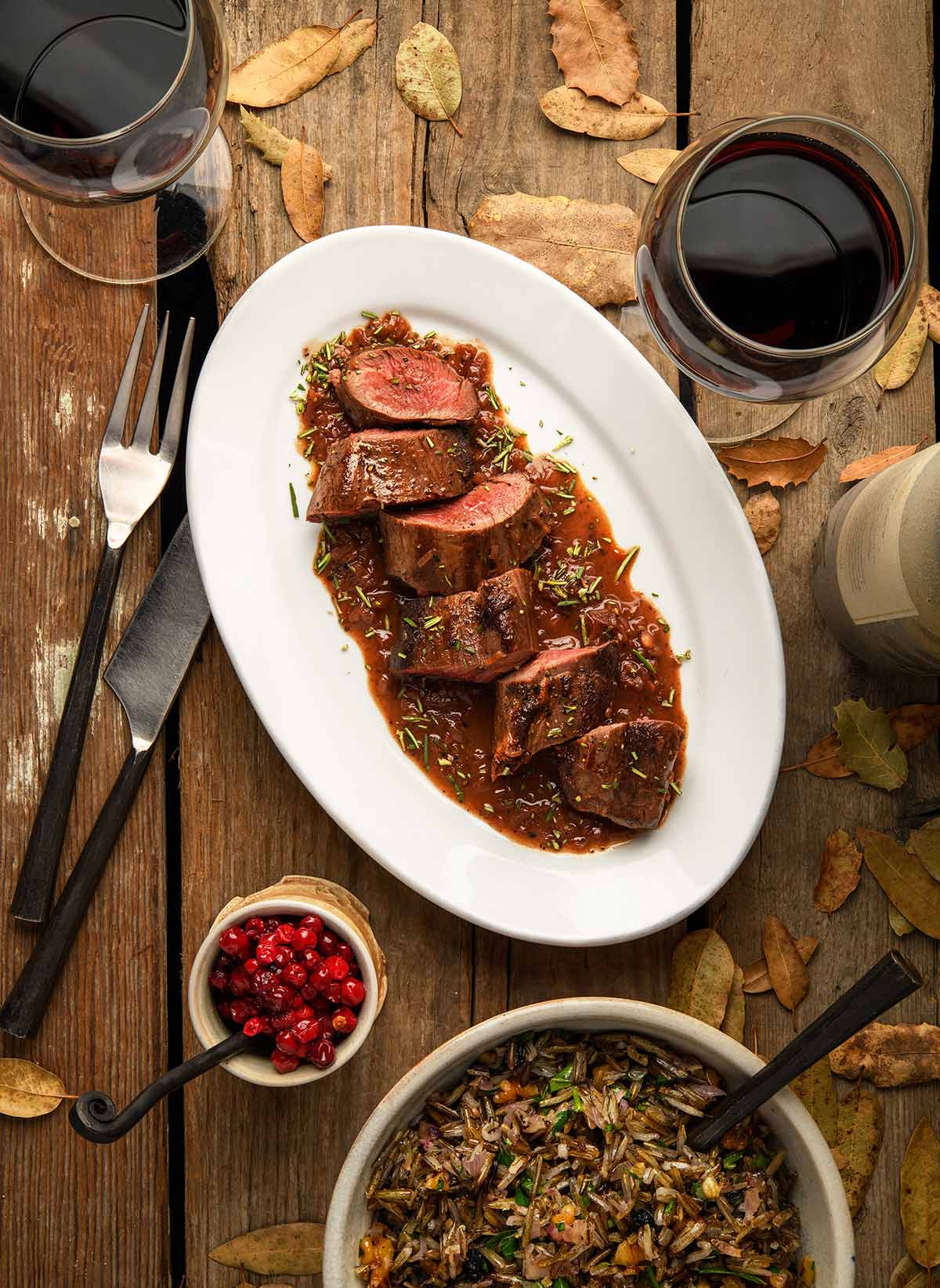
Venison Tenderloin vs. Loin: Why This Cut is the Filet Mignon of the Wild
For culinary enthusiasts and wild game aficionados alike, the venison tenderloin holds a truly special place. Often considered the crowning jewel of a deer, elk, or moose, it’s a cut that promises unparalleled tenderness and a rich, nuanced flavor profile. Yet, confusion often arises when discussing venison tenderloin versus venison loin, or "backstrap." Understanding the crucial differences isn't just a matter of nomenclature; it's key to appreciating why the tenderloin earns its esteemed reputation as the filet mignon of venison. If you're looking for an exquisite simple venison tenderloin recipe, you've come to the right place.
There's a deep-rooted tradition surrounding venison, often passed down through generations. From crisp autumn mornings spent in the woods to the comforting aroma of a home-cooked meal, wild game connects us to the land and a simpler way of life. My own journey, inspired by tales of hunting and fishing with family and the mouth-watering preparations by my grandmother, instilled a profound respect for these premium cuts. It's this heritage that truly elevates the experience of preparing and savoring a perfectly cooked venison tenderloin.
Venison Tenderloin vs. Loin: A Crucial Distinction
Let's clear up the primary point of confusion right away: venison tenderloin is not venison loin. While both are incredibly desirable cuts from the animal, they are distinct in their location, texture, and culinary application.
- Venison Loin (Backstrap): Imagine the beef equivalent of a ribeye or strip steak. This is the venison loin, also commonly known as the "backstrap." These are long, muscular cuts that run along the back of the animal, just outside the spine. They are robust, flavorful, and incredibly versatile, offering a satisfying chew and excellent marbling in some species. Many hunters consider the backstrap a prime trophy, perfect for grilling, roasting, or cutting into steaks.
- Venison Tenderloin: This is where true tenderness resides. The tenderloin, or "deer tenderloin," is the anatomical equivalent of beef filet mignon. Each animal possesses two small tenderloins, nestled deep within the body cavity, attached to the backbone beneath the backstrap and above the gut. Because these muscles are minimally used by the animal, they remain exceptionally soft and lean. They can often be removed with surprisingly little knifework.
While both cuts are fantastic in their own right, the tenderloin's inherent delicacy and melt-in-your-mouth texture set it apart. It’s for this reason that experienced chefs and home cooks alike reserve a special kind of reverence for a well-prepared venison tenderloin. Its unique qualities require a refined approach to cooking to truly highlight its exquisite nature.
The "Filet Mignon" of the Wild: Why Venison Tenderloin is So Special
The venison tenderloin, sometimes affectionately called the "fish," "breakfast loin," or even "weenie loin" by hunters, is truly a cut above the rest. Its premium status comes from several key factors:
- Unmatched Tenderness: As mentioned, this muscle sees very little work, resulting in an incredibly fine grain and buttery texture. Even if slightly overcooked, it tends to retain a degree of softness that other cuts simply cannot match. This characteristic makes it forgiving for novice cooks, though precise cooking methods will yield the best results.
- Rich, Clean Flavor: Venison offers a distinct, earthy, and often subtly sweet flavor profile that is leaner and richer than beef. The tenderloin, being so pure and unadulterated by tougher connective tissues, allows this intrinsic flavor to shine through beautifully.
- Exclusivity and Yield: Tenderloins are relatively small. Even from a large, mature buck weighing over 200 pounds, the two tenderloins combined might only feed two people generously. This scarcity makes it an incredibly special treat, often reserved for intimate dinners or celebratory meals. Imagine preparing a simple venison tenderloin recipe for a romantic date night – it’s a gesture that speaks volumes!
When you are "blessed with a deer tenderloin," as many hunters put it, the goal is to honor its inherent quality by cooking it simply and perfectly. The elegance of a venison tenderloin recipe lies in its restraint, allowing the natural deliciousness of the meat to be the star of the show.
Mastering Your Venison Tenderloin Recipe: A Step-by-Step Guide
Cooking venison tenderloin perfectly doesn't require complex techniques, but rather careful attention to detail. The aim is to achieve a beautiful sear while preserving the tender, juicy interior. Here’s how to create an unforgettable perfect pan-seared venison tenderloin:
Preparation is Key: Salting and Room Temperature
Before any heat touches your precious tenderloin, proper preparation is paramount.
- Salt Thine Loins: Generously salting your venison tenderloin beforehand is not just about seasoning; it's a critical step for developing flavor and texture. The salt will begin to penetrate the meat, drawing out a little surface moisture which helps achieve a better sear. It also concentrates the meat's natural flavors and acts as a mild preservative if the meat is sitting out.
- Come to Room Temperature: Take your tenderloin out of the refrigerator at least 20 minutes before cooking – an hour is even better for thicker cuts. This allows the meat to cook more evenly, preventing a cold center from delaying the cooking process and potentially leading to overcooked edges.
The Perfect Sear: Heat and Oil
Achieving that coveted crust on your venison tenderloin is all about high heat and the right fat.
- High Smoke Point Oil: Use an oil with a high smoke point, such as grapeseed, avocado, safflower, or canola oil. This prevents the oil from burning and imparting off-flavors.
- Minimal Oil for Maximum Sear: Contrary to popular belief, you only need a small amount – about 1-2 tablespoons – for pan searing. Too much oil can actually inhibit a good crust, effectively frying the meat rather than searing it.
- Ripping Hot Pan: Heat your cast iron or heavy-bottomed skillet until it's "ripping hot" – just smoking slightly. This intense initial heat is crucial for creating a flavorful, crispy crust.
Precision Cooking and Resting
Due to its tenderness, venison tenderloin cooks quickly. Precision is key to avoid overcooking.
- Sear for ~6 Minutes: Given that tenderloins often have a somewhat triangular cross-section, plan to sear for about 2 minutes on each of the major sides. Adjust based on the thickness of your specific cut and your desired doneness. For medium-rare, aim for an internal temperature of 130-135°F (54-57°C).
- Rest is Best: Once seared, immediately transfer the venison to a cutting board. Grind a generous amount of fresh black pepper over it. Allow it to rest for 5 to 8 minutes. This critical step allows the juices to redistribute throughout the meat, ensuring every bite is moist and flavorful. Cutting into it too soon will result in juices flowing out, leaving your tenderloin dry.
The Art of the Quick Pan Sauce
While your venison tenderloin rests, you have the perfect window to whip up a simple, flavorful pan sauce. This process should be quick, as the tenderloin won't rest for very long.
- Deglaze the Pan: While the pan is still hot, add a splash of liquid – think red wine, beef or venison stock, or even a dash of balsamic vinegar. Scrape up all those flavorful browned bits (fond) from the bottom of the pan.
- Build Flavor: You can then add a knob of butter, some minced shallots or garlic, and a sprig of fresh thyme or rosemary. Reduce slightly until it thickens to your desired consistency. A touch of cream can add richness, or a spoonful of berry preserves can introduce a wonderful sweet-tart note that complements venison beautifully.
Substitutions and Variations: Extending Your Culinary Options
While venison tenderloin is undoubtedly the star, there are times you might consider alternatives or variations:
- Beef Tenderloin Substitute: If venison isn't available or preferred, beef tenderloin makes an excellent substitute in most venison tenderloin recipes. While beef might not possess the same rich, wild flavor as venison, it benefits greatly from the same careful salting and searing techniques described above.
- Explore Pan Sauce Combinations: Don't limit yourself to one pan sauce. Venison pairs wonderfully with fruit-based sauces (cherry, cranberry, blackberry), earthy mushroom sauces, or classic red wine reductions. Experiment to find your favorite pairing.
Conclusion
The venison tenderloin is more than just a cut of meat; it’s an experience. Its exquisite tenderness, rich flavor, and the story behind it make it a truly luxurious and special dish. By understanding its unique characteristics and applying simple, precise cooking methods, you can transform this premium wild game into a culinary masterpiece. Whether it’s a celebratory meal, a romantic dinner, or simply an occasion to savor the bounty of nature, mastering a perfect pan-seared venison tenderloin will undoubtedly impress and delight. Embrace the wild, and enjoy the unparalleled elegance of venison's very own filet mignon.
