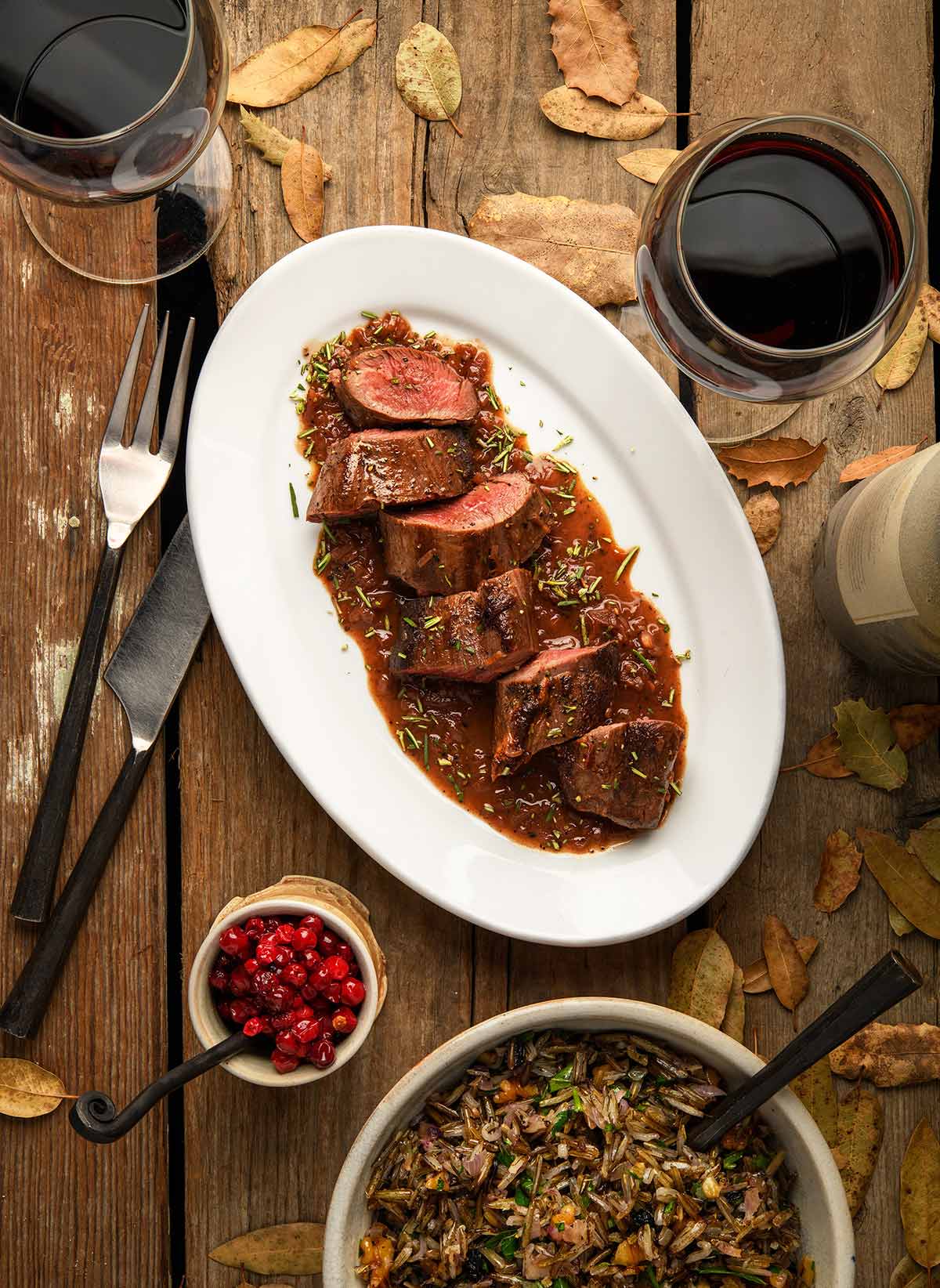
Unlocking the Culinary Gem: Why Venison Tenderloin Reigns Supreme
There are few cuts of meat that evoke a sense of special occasion quite like venison tenderloin. Often hailed as the "filet mignon of the wild," this premium cut from deer (or elk, moose, pronghorn, etc.) is renowned for its unparalleled tenderness, rich flavor, and elegant presentation. While it might seem intimidating to cook a cut this esteemed, mastering the art of a perfect pan-seared venison tenderloin is surprisingly straightforward and incredibly rewarding. This guide will walk you through every step, ensuring your venison tenderloin recipe delivers a culinary masterpiece.
For many, the appreciation of venison comes from a long-standing tradition, a connection to the land and the bounty it provides. There's a primal satisfaction in preparing wild game, a nod to heritage and simpler times when a hunt's reward was the evening's supper. Whether you're a seasoned hunter, a culinary adventurer, or simply someone seeking an extraordinary dining experience, venison tenderloin offers a unique journey for the palate.
Understanding the Cut: Why Venison Tenderloin is Special
Before we dive into the cooking process, it’s crucial to understand what makes venison tenderloin such a coveted cut. Unlike the more common venison loin (also known as backstrap), which is comparable to a beef ribeye in terms of muscle structure and location along the animal's back, the tenderloin is a smaller, more delicate muscle.
Each deer possesses two tenderloins, tucked away inside the abdominal cavity, underneath the backstrap and alongside the backbone. Because these muscles are minimally used by the animal, they remain incredibly soft and tender, hence their name. This inherent tenderness is what sets them apart and makes them suitable for quick, high-heat cooking methods like pan-searing. For a deeper dive into these distinctions, explore our article on Venison Tenderloin vs. Loin: Why This Cut is Filet Mignon.
Given its anatomical location and the effort required for harvesting, venison tenderloin is a relatively scarce cut. Even a large, mature buck will yield tenderloins sufficient for only one or two servings, making it an ideal choice for an intimate dinner or a special simple venison tenderloin recipe. This scarcity contributes to its premium status, making every meal a truly memorable event.
The flavor profile of venison tenderloin is distinct from beef. While both are red meats, venison offers a richer, earthier, and subtly gamey taste that is less fatty than beef. This unique flavor shines brightest when cooked simply, allowing the natural essence of the meat to take center stage. However, for those who prefer or only have access to beef, a high-quality beef tenderloin can be substituted in this recipe, though it won't quite match the distinctive richness of its wild counterpart.
Mastering the Sear: Essential Steps for Perfect Pan-Seared Venison Tenderloin
Achieving a perfect crust while maintaining a juicy, tender interior is the hallmark of a perfectly pan-seared venison tenderloin. This process relies on a few critical steps that prepare the meat for high heat and ensure even cooking.
1. The Power of Salting and Room Temperature
This is arguably the most crucial preparatory step for any steak, especially venison tenderloin. As soon as you remove your tenderloin from the refrigerator, generously salt it on all sides. Use a good quality coarse salt like kosher or sea salt. Salting does several important things:
- Seasons Deeply: The salt penetrates the meat, seasoning it from within, not just on the surface.
- Draws Out Moisture: Initially, salt will draw moisture to the surface. Given enough time (20 minutes to an hour), this moisture will then be reabsorbed, concentrating the meat's natural flavors.
- Aids in Searing: A drier surface promotes a better, crispier sear.
After salting, let the venison tenderloin rest at room temperature for at least 20 minutes, ideally up to an hour. This allows the meat to relax and ensures more even cooking when it hits the hot pan. Cold meat tends to seize up and cook unevenly, leaving the outside overcooked while the center struggles to reach temperature.
Just before searing, pat the tenderloin thoroughly dry with paper towels. Any excess moisture will prevent a good sear and essentially steam the meat instead of browning it.
2. The Searing Process: Heat, Oil, and Timing
A successful sear requires high heat and minimal oil. Too much oil will deep-fry the meat rather than sear it, preventing that beautiful, flavorful crust.
- Choose the Right Oil: Opt for a high smoke point oil such as grapeseed, avocado, safflower, or canola oil. You'll only need about 1-2 tablespoons for a typical tenderloin.
- Heat the Pan: Place a heavy-bottomed skillet (cast iron or stainless steel works best) over high heat. Add the oil and wait until it's shimmering and just starting to smoke. This indicates it's ripping hot and ready for searing.
- Sear the Tenderloin: Carefully place the venison tenderloin in the hot pan. Since tenderloins often have a somewhat triangular cross-section, you'll want to sear each "major" side. For an average-sized tenderloin (1 to 1.5 inches thick), sear for approximately 2 minutes per side. Rotate the meat as needed to brown all surfaces. The total searing time should be around 6-8 minutes, depending on the thickness and your desired doneness.
Doneness Guide (Internal Temperature):
- Rare: 120-125°F (49-52°C)
- Medium-Rare: 125-130°F (52-54°C) - Highly recommended for venison tenderloin to maintain tenderness and moisture.
- Medium: 130-135°F (54-57°C)
Remember, venison tenderloin is inherently soft, so relying solely on visual cues or firmness tests can be misleading. A good meat thermometer is your best friend here. Always remove the meat from the heat a few degrees below your target temperature, as it will continue to cook during resting.
3. The Golden Rule: Resting Your Meat
Once seared, immediately transfer the venison tenderloin to a clean cutting board. Generously grind fresh black pepper over it. This is not the time to cut into it! Allowing the meat to rest for 5 to 8 minutes is non-negotiable.
Resting allows the muscle fibers to relax and the internal juices, which have been driven to the center by the high heat, to redistribute evenly throughout the cut. Cutting into the meat too soon will result in a dry steak, as all those precious juices will simply run out onto your board.
Elevating the Experience: Simple Pan Sauces and Serving Suggestions
While your venison tenderloin is resting, you have the perfect opportunity to whip up a quick and flavorful pan sauce using the delicious fond (browned bits) left in the skillet. Pan sauces add an extra layer of gourmet sophistication without much effort.
A Simple Pan Sauce Idea:
- Deglaze the pan with a splash of red wine, port, brandy, or even venison/beef broth. Scrape up all the browned bits from the bottom.
- Simmer for a minute or two until reduced slightly.
- Whisk in a knob of cold butter for richness and shine.
- Add fresh herbs like thyme, rosemary, or a touch of finely chopped shallots. Season with salt and pepper to taste.
This quick sauce will perfectly complement the rich flavor of the venison without overpowering it.
When it comes to serving, keep it elegant. Thinly slice the rested venison tenderloin against the grain and arrange it artfully on plates. Drizzle with your prepared pan sauce. Complementary side dishes that pair beautifully with venison include:
- Creamy mashed potatoes or celeriac puree
- Roasted root vegetables (carrots, parsnips, Brussels sprouts)
- Wild rice pilaf
- Sautéed mushrooms or wilted spinach
For wine pairings, consider a robust red such as a Cabernet Sauvignon, Pinot Noir, or a Zinfandel, which can stand up to the venison's rich flavor.
Conclusion
Cooking a perfect pan-seared venison tenderloin is an experience that combines tradition, culinary skill, and the appreciation of an truly exceptional ingredient. By understanding the unique qualities of this premium cut and following these essential steps—from proper salting and bringing to room temperature, to precise searing and crucial resting—you can transform a simple piece of wild game into an elegant, restaurant-quality meal. Embrace this venison tenderloin recipe, and savor the rich, tender reward of this truly special culinary gem. It's more than just a meal; it's a celebration of flavor and heritage.
