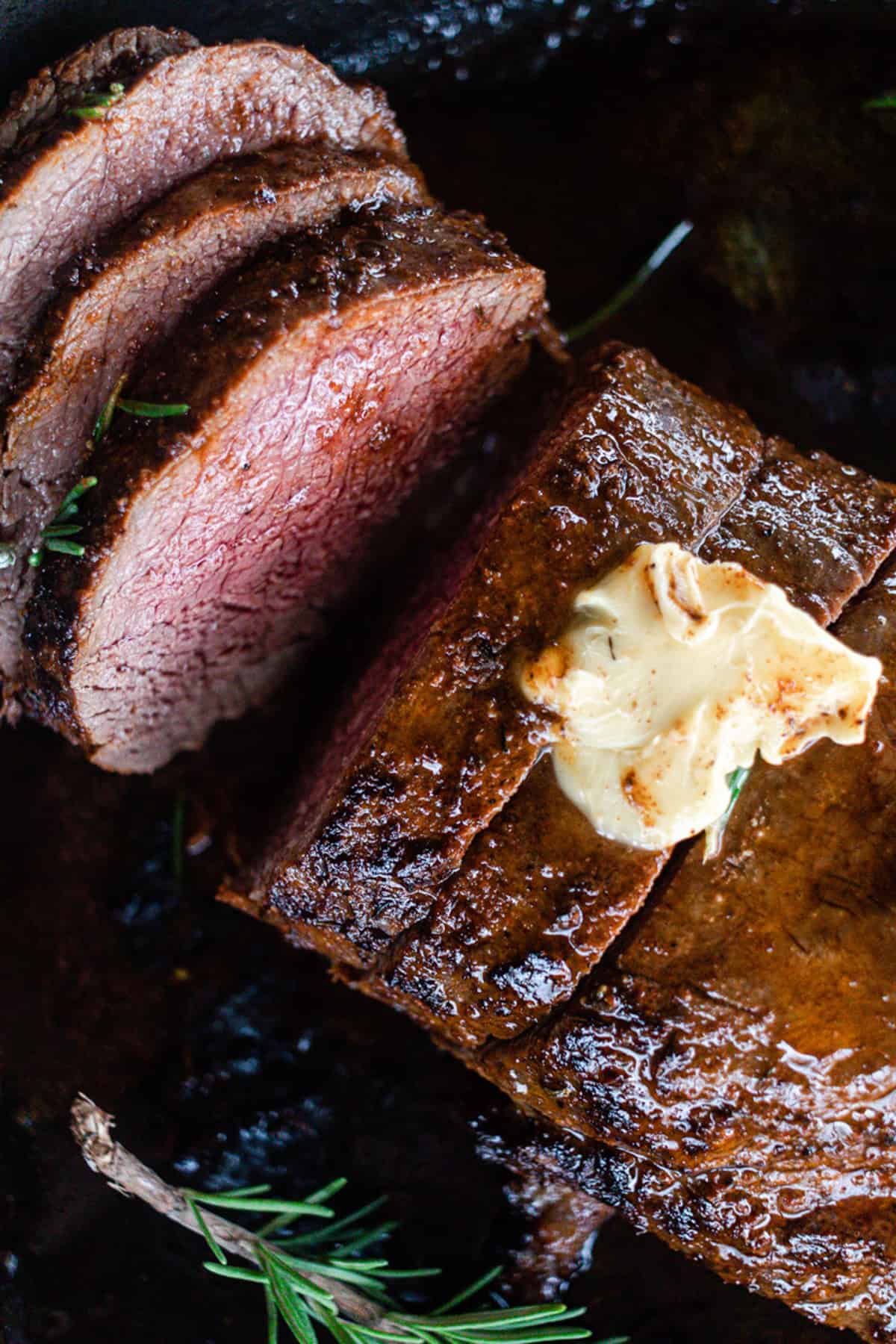
Simple Venison Tenderloin Recipe: An Elegant Date Night Meal
There are meals, and then there are *experiences*. A perfectly cooked venison tenderloin falls squarely into the latter category, transforming an ordinary evening into an unforgettable culinary affair. Often hailed as the "filet mignon of the wild," venison tenderloin is a premium cut that promises unparalleled tenderness and a rich, earthy flavor profile that’s both sophisticated and deeply satisfying. This simple venison tenderloin recipe is designed to demystify cooking this exquisite meat, making it accessible even for novice cooks, and elevating your next date night to gourmet status without the restaurant fuss.
For many, venison evokes cherished memories of tradition, connecting us to the land and the heritage of hunting. My own appreciation for wild game, especially deer tenderloin, stems from stories of family meals, where the bounty of the hunt was lovingly prepared and shared. While hunting isn't a prerequisite to enjoying this magnificent meat, understanding its origin only deepens the reverence for such a special ingredient. And don't worry – if venison isn't readily available to you, a high-quality beef tenderloin can be substituted, though it won't quite match the distinctive richness of deer.
Why Venison Tenderloin Reigns Supreme for Special Occasions
What makes venison tenderloin so extraordinarily special? It all comes down to its unique characteristics and rarity. Each deer (or elk, moose, pronghorn, etc.) yields only two small tenderloins, tucked deep inside the animal along the backbone, beneath the larger backstrap. These muscles perform very little work, resulting in an incredibly fine grain and minimal connective tissue. This anatomical advantage is precisely why the tenderloin is universally recognized for its unparalleled tenderness.
It’s crucial to understand the distinction: while venison loin (often called backstrap) is also a fantastic cut, the tenderloin is a different beast altogether. If you're curious to dive deeper into these differences, we recommend reading our guide on Venison Tenderloin vs. Loin: Why This Cut is Filet Mignon, which elaborates on why this particular cut earns its "filet mignon" title. The tenderloin's delicate nature means it cooks quickly and is exceptionally forgiving, remaining wonderfully soft even if slightly overcooked. However, mastering the proper technique ensures it reaches its peak of juicy perfection.
Beyond its tenderness, venison offers a deeper, more complex flavor than beef, with subtle gamey notes that are lean, clean, and never overpowering when handled correctly. This distinctive taste, combined with its limited availability and perfect serving size for two, makes a venison tenderloin meal inherently intimate and celebratory – truly the ideal center-piece for a romantic date night.
Mastering the Prep: The Foundation of a Flawless Venison Tenderloin
The secret to a truly outstanding venison tenderloin recipe lies not just in the cooking, but in the crucial preparatory steps. These simple actions set the stage for an impeccably seasoned and perfectly cooked piece of meat.
Trimming Your Tenderloin
Before salting, inspect your venison tenderloin for any silver skin – a thin, silvery membrane that won't break down during cooking and can make the meat tough. To remove it, slide a sharp, thin knife just under the silver skin, angle it slightly upwards, and carefully saw away from you, lifting the silver skin as you go. You'll want to remove as much of this as possible without losing too much precious meat.
The Art of Salting and Tempering
One of the most impactful steps is salting the meat in advance. This isn't just about seasoning the surface; it's a transformative process:
- Seasoning: The salt penetrates deep into the muscle fibers, seasoning the meat from within.
- Moisture Control: It draws out a small amount of moisture from the surface, which then reabsorbs, concentrating the natural flavors and aiding in achieving a superior crust during searing.
- Food Safety: It offers an extra layer of food safety for meat sitting at room temperature.
For a tenderloin weighing around 1 to 1.5 pounds, generously salt all sides with coarse sea salt or kosher salt. Then, and this is critical, let the tenderloin sit at room temperature for at least 20 minutes, or ideally, up to an hour. Bringing the meat closer to room temperature before cooking ensures a more even cook from edge to center, preventing a cold interior from slowing down the searing process.
The Art of the Sear: Achieving Perfection on the Stovetop
With your venison perfectly prepped, it's time to unleash its potential through a high-heat sear, creating a beautiful, caramelized crust while keeping the interior succulent. This is where the magic truly happens.
Choosing Your Pan and Oil
A heavy-bottomed pan, such as cast iron or stainless steel, is your best friend here. It retains heat exceptionally well, which is vital for a consistent sear. For oil, opt for one with a high smoke point like grapeseed, avocado, safflower, or canola oil. You'll only need a small amount – about two tablespoons for a typical tenderloin. Too much oil can prevent a proper sear, leading to a steamed rather than crusted exterior.
The Searing Process
- Heat the Pan: Place your pan over medium-high to high heat. Add the oil and wait until it shimmers and just begins to smoke lightly. This indicates it’s ripping hot and ready for searing.
- Sear Each Side: Carefully place the venison tenderloin in the hot pan. Given its somewhat triangular cross-section, you'll typically sear it on 2-3 major sides. For a tenderloin of about 1.5-2 inches thick, sear for approximately 2 minutes per side. The goal is to develop a deep, golden-brown crust.
- Check for Doneness: The best way to ensure perfect doneness is with an instant-read meat thermometer. For medium-rare (the ideal for venison tenderloin), aim for an internal temperature of 125-130°F (52-54°C). For medium, target 130-135°F (54-57°C). Remember, the temperature will rise slightly as the meat rests.
For an in-depth exploration of this technique, we recommend our comprehensive guide: Perfect Pan-Seared Venison Tenderloin: A Guide to This Premium Cut.
The Indispensable Rest
Once seared to your desired doneness, immediately transfer the venison tenderloin to a clean cutting board. Generously grind fresh black pepper over it. Now, and this is non-negotiable, let it rest for 5 to 8 minutes. Resting allows the muscle fibers to relax and the juices, which have been pushed to the center during cooking, to redistribute throughout the meat. This results in a tender, incredibly juicy tenderloin that simply melts in your mouth. Do NOT skip this step!
Elevating Your Meal with a Simple Pan Sauce
While your venison tenderloin rests, you have just enough time to whip up a quick and elegant pan sauce using the flavorful fond (the browned bits) left in the pan. This simple addition elevates the meal, complementing the rich venison without overpowering it.
Basic Pan Sauce Steps
- Deglaze: Return the pan to medium heat. Add a splash (about ½ cup) of red wine, beef broth, or even good quality chicken broth. Use a wooden spoon to scrape up all the delicious browned bits from the bottom of the pan.
- Reduce: Let the liquid simmer and reduce by about half, allowing the flavors to concentrate.
- Flavor & Enrich: You can add a finely minced shallot or a clove of garlic for extra depth, cooking it briefly before deglazing. Off the heat, swirl in a knob of cold butter (about 1 tablespoon) to create a glossy, emulsified sauce. You can also add a sprig of fresh thyme or rosemary for aromatic complexity.
- Season: Taste and adjust with salt and pepper as needed.
Simple Venison Tenderloin Recipe: Your Date Night Masterpiece
Ingredients:
- 1-1.5 lb venison tenderloin (or beef tenderloin)
- 1-2 tablespoons high smoke point oil (grapeseed, avocado, etc.)
- Coarse sea salt or kosher salt
- Freshly ground black pepper
- ½ cup dry red wine or beef broth (for pan sauce)
- 1 tablespoon cold unsalted butter (for pan sauce, optional)
- Optional: 1 small shallot, minced; 1 sprig fresh thyme
Instructions:
- Prepare the Tenderloin: Pat the venison tenderloin completely dry with paper towels. Trim any silver skin. Generously season all sides with coarse salt. Let it rest at room temperature for 20-60 minutes.
- Heat the Pan: Place a heavy-bottomed skillet over medium-high to high heat. Add the high smoke point oil and heat until shimmering and just starting to smoke.
- Sear the Venison: Carefully place the tenderloin in the hot pan. Sear for approximately 2 minutes per side, rotating to achieve a beautiful crust on all major surfaces. Continue cooking until an internal temperature of 125-130°F (52-54°C) is reached for medium-rare, or to your preferred doneness.
- Rest the Meat: Transfer the seared tenderloin to a clean cutting board. Grind fresh black pepper liberally over it. Let it rest undisturbed for 5-8 minutes.
- Make the Pan Sauce: While the meat rests, return the pan to medium heat. If using, add the minced shallot and cook for 1 minute until fragrant. Deglaze the pan by pouring in the red wine or broth, scraping up any browned bits from the bottom of the pan. Bring to a simmer and reduce by half. Remove from heat and swirl in the cold butter (if using) until melted and emulsified. Taste and season with salt and pepper.
- Slice and Serve: Slice the rested venison tenderloin into thick medallions against the grain. Drizzle with the pan sauce. Serve immediately with elegant side dishes like roasted asparagus, garlic mashed potatoes, or wild mushroom risotto for a truly luxurious date night experience.
This simple venison tenderloin recipe provides not just a meal, but an experience – a chance to savor a truly premium cut of meat, prepared with care and simplicity. Its rich flavor and tender texture make it a standout choice for any special occasion, particularly an intimate date night. Embrace the elegance of venison tenderloin and create lasting culinary memories.
